
What is GAP insurance? A plain-English guide
What GAP covers, who needs it, the difference between GAP insurance and a GAP waiver, and how refunds work when a loan pays off early.
Camila VenegasUpdated November 20265 min read
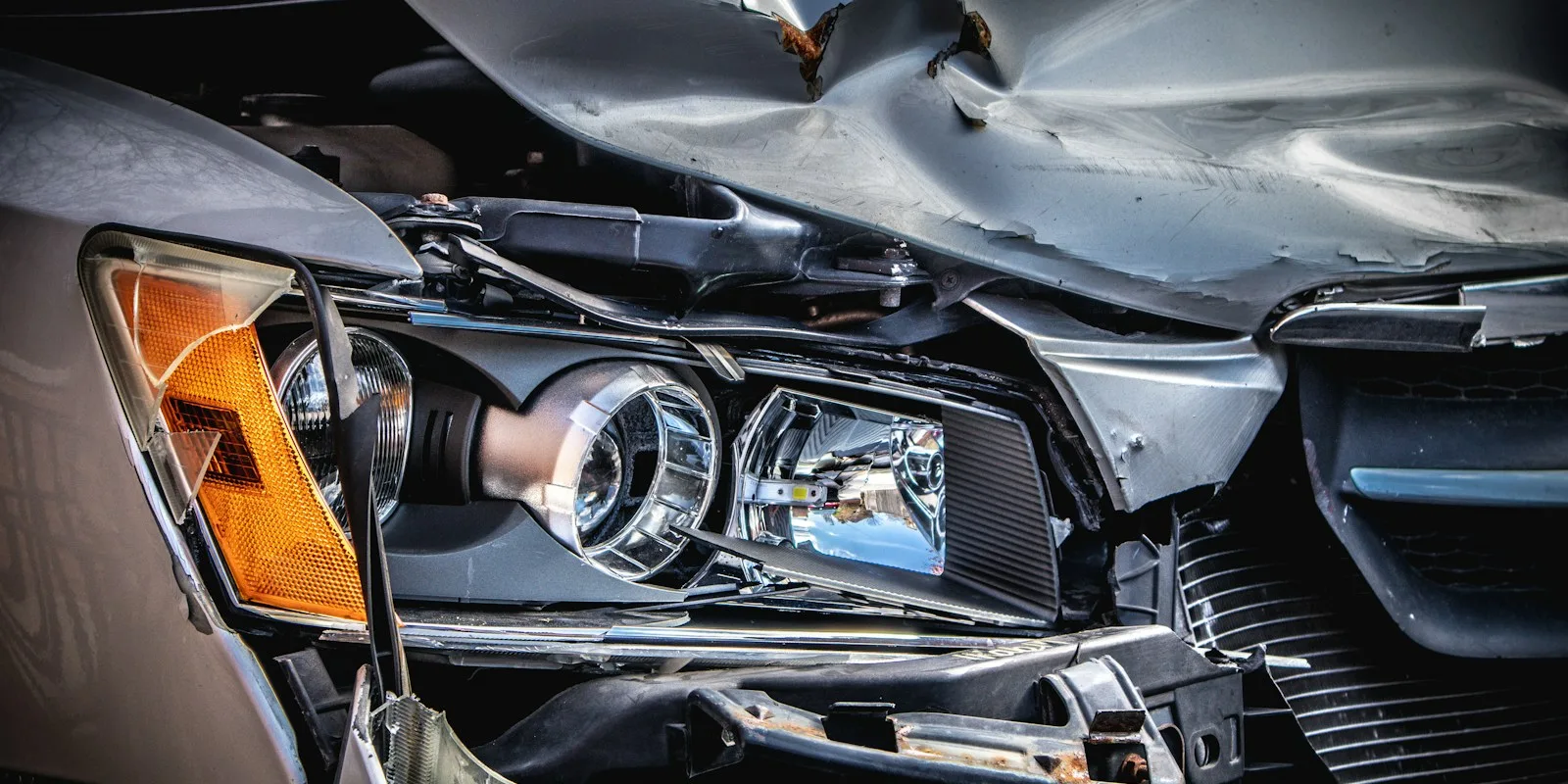
GAP (Guaranteed Asset Protection) covers the difference between what a customer owes on their auto loan and what their insurance company pays if the car is totaled or stolen. It’s optional. It can be sold as an insurance policy or as a GAP waiver added to the contract, and the rules for each depend on the state. If the loan pays off early, the customer may be owed a partial refund.
Why GAP matters to customers
A customer totals their car eight months after buying it. Their insurance pays what the car is worth today, but they still owe more than that on the loan. Without GAP, they keep making payments on a car they no longer have.
That’s the problem GAP solves. In my 17 years in the car business, it’s also one of the products customers thank you for most after a total loss.
How does GAP work?
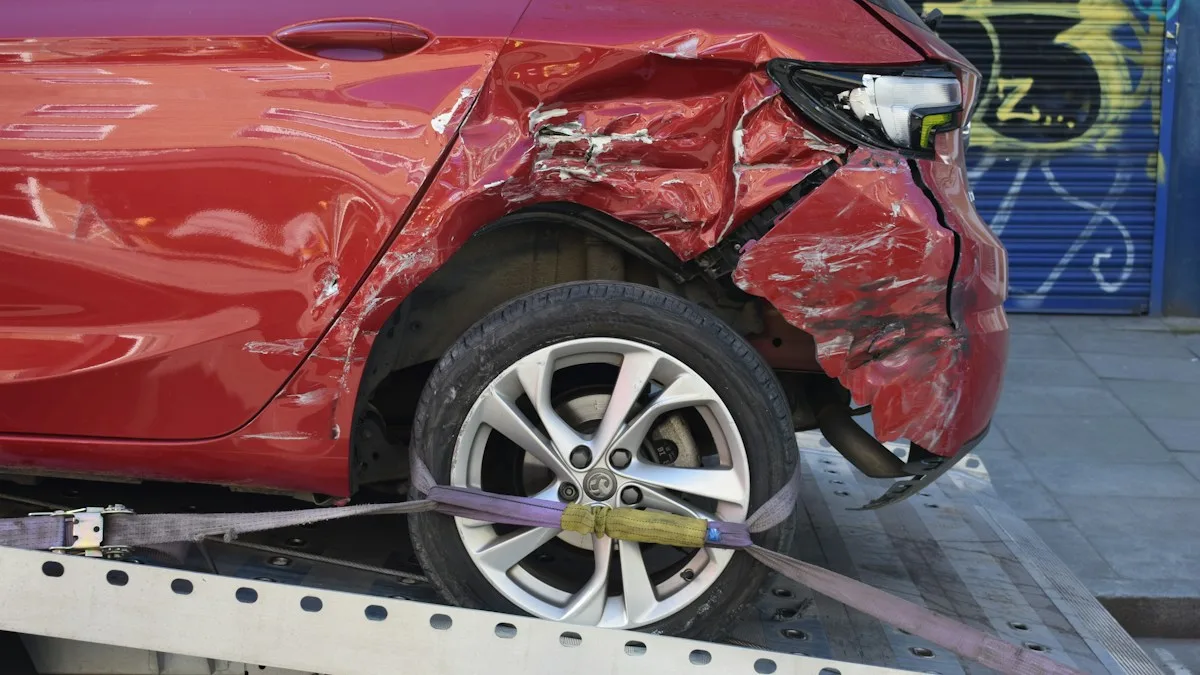
Cars lose value quickly, and loans pay down slowly at first. For a while, the customer often owes more than the car is worth. That difference is the “gap.”
Example: loan balance $24,000. Insurance pays the car’s actual cash value, $19,500. The gap is $4,500. GAP covers that difference, subject to the contract’s limits.
The CFPB describes GAP the same way: an optional product that covers the difference between what’s owed and what insurance pays after a theft or total loss.
Who is GAP a good fit for?
- Customers with little or no money down
- Customers rolling negative equity from a trade into the new loan
- Longer terms, such as 72 months or more
- Vehicles that lose value quickly
- Leases, though many leases already include GAP, so check first
If the customer has a large down payment or a short term, they may not need it. Say so. Honest recommendations build trust and reduce cancellations.
GAP insurance vs. GAP waiver: what’s the difference?
- GAP insurance is an insurance policy. In many states, selling it requires an insurance license. California and Florida, for example, treat GAP insurance as credit insurance.
- A GAP waiver is an addendum to the finance contract where the creditor agrees to waive the gap. It’s usually regulated as part of the credit contract, not as insurance, and some states have specific GAP waiver laws.
Your dealership decides which type it offers. Learn which one you’re selling and what your state requires. More on licensing in do you need a license to be an F&I manager.
What GAP usually doesn’t cover
- The insurance deductible, unless the contract says it does
- Past-due payments and late fees
- Extended warranty or other product balances, in some contracts
- Amounts above the contract’s maximum coverage or loan-to-value limit
Read the actual contract before you explain coverage. Every GAP product is different.
Can customers get a refund on GAP?
Often, yes. If the customer pays off the loan early, refinances or sells the car, they may be owed a refund of the unused portion, depending on the contract and state law. The CFPB also notes customers can cancel optional add-ons. Make sure your store processes cancellations correctly and on time.
For how GAP fits on the menu, read the F&I menu, explained in plain English.
Not all GAP is the same product. See GAP waiver vs. GAP insurance for the difference.
Frequently asked questions
Is GAP required to get a car loan?
Usually not. If a lender truly requires it, the cost generally must be included in the finance charge and APR. If it’s optional, the customer can decline it.
Can customers buy GAP from their insurance company?
Often, yes. Many auto insurers offer GAP or loan/lease payoff coverage. Customers can compare.
Does GAP cover the deductible?
Some GAP contracts do, up to a limit. Many don’t. Check the contract.
When does GAP stop being useful?
Once the customer owes less than the car is worth, there’s no gap to cover. That point depends on the down payment, term and how fast the car loses value.