
F&I administrator: the back door into F&I
What a dealership F&I admin or deal processor does all day, how it compares to a title clerk, and how to use the job to reach the finance office.
Camila VenegasUpdated November 20266 min read
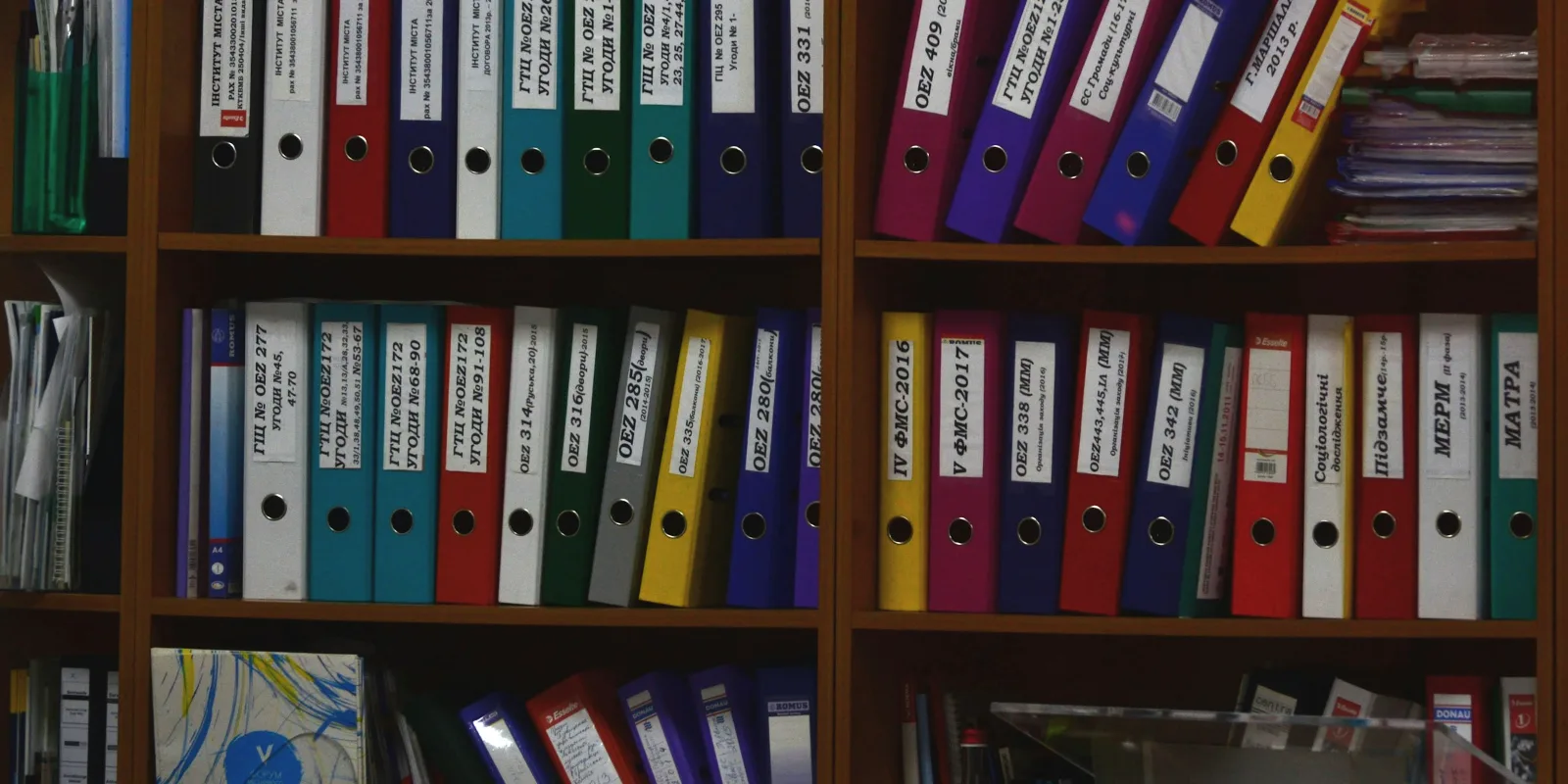
An F&I administrator supports a dealership’s finance office after the sale: checking deal jackets for errors, sending contracts and stips to lenders, tracking funding and contracts in transit, processing product registrations and often handling title work. It is usually an hourly office job and one of the best entry points into an F&I manager career.
What is an F&I administrator?
An F&I administrator supports the finance office after the customer signs. They check every deal for missing signatures and errors, send contracts and stips to lenders, track funding, and make sure titles and registrations get done. Stores call the job many names: F&I admin, deal processor, F&I assistant, biller or, when title work is included, title clerk.
It is one of the best ways into F&I for someone without sales experience, because you learn every document in a car deal before you ever sit in the finance chair.
What an F&I administrator does every day
- Checks deal jackets. Reviews contracts, buyer’s orders and forms for signatures, dates and matching numbers before they leave the store.
- Sends deals to lenders. Uploads eContracts or ships paper contracts and the stips the lender asked for.
- Tracks funding. Works the contracts-in-transit report and follows up on deals the lender hasn’t paid.
- Fixes problems. Gets missing signatures, corrected forms or new documents back from customers and managers.
- Processes products. Submits service contract, GAP and other product registrations and handles cancellations.
- Handles title work. In many stores, also pays off trade loans, files title and registration with the state, and issues temp tags.

F&I administrator vs. title clerk
| F&I administrator | Title clerk | |
|---|---|---|
| Main focus | Contracts, lenders and funding | Titles, registrations and state paperwork |
| Works most with | F&I managers and lenders | The DMV or tag agency, lienholders and accounting |
| Key report | Contracts in transit (CIT) | Title and registration log, trade payoffs |
| Tools | DMS, Dealertrack or RouteOne, product portals | DMS, state electronic registration systems |
| Path to F&I | Direct: you learn the finance side of every deal | Indirect: strong on paperwork, less lender exposure |
In smaller stores, one person often does both jobs.
Skills and requirements
- Attention to detail. One wrong VIN digit or missing initial can hold up funding for days.
- Organization. You’ll juggle dozens of open deals, lenders and deadlines at once.
- Dealership software. Listings often mention CDK, Reynolds & Reynolds or similar systems. Most stores will train you.
- Communication. You chase signatures from busy managers and documents from customers, politely and fast.
- Discretion. You handle Social Security numbers, credit reports and pay stubs every day.
Most stores don’t require a degree, and many train people new to the car business. Some prefer prior dealership, title or deal-processing experience.
How much does an F&I administrator make?
This is usually an hourly or salaried office role, not a commission job. Some listings we reviewed in November 2026 advertised around $20 to $24 an hour, but pay depends heavily on the market, store size and whether title work is included. The big pay jump comes when you move into the F&I manager seat; see how much F&I managers make.
How to go from F&I admin to F&I manager
- Learn why each document exists, not just where it goes.
- Study the lender program sheets and the reasons deals get kicked back.
- Ask F&I managers if you can sit in on menu presentations.
- Learn the products well enough to explain each in one sentence.
- Get structured F&I training so you can show you know deal structure and selling, not only paperwork.
- Tell your manager you want the F&I seat and offer to cover when a manager is off.
Many finance managers started exactly this way. See the other doors in car dealership jobs explained.
Frequently asked questions
What does an F&I administrator do?
They check finished deals for errors, send contracts and documents to lenders, track funding, process product paperwork and often handle titles and registrations.
Is F&I administrator a good way to become an F&I manager?
Yes. You learn every document, lender and funding problem in a car deal, which is exactly what F&I managers must master.
Do you need experience to be an F&I administrator?
Not always. Many stores train detail-oriented people, though some prefer dealership, title or processing experience.
What is the difference between an F&I administrator and a title clerk?
An F&I administrator focuses on contracts, lenders and funding. A title clerk focuses on titles, registrations and state paperwork. Smaller stores often combine them.
Is an F&I administrator paid commission?
Usually not. It is most often an hourly or salaried office role, sometimes with a bonus for funding speed or accuracy.