Is tire and wheel protection worth it? An F&I manager explains
What the product covers, what it leaves out, who it really helps, and how to present it without overselling.
Camila VenegasUpdated November 20266 min read
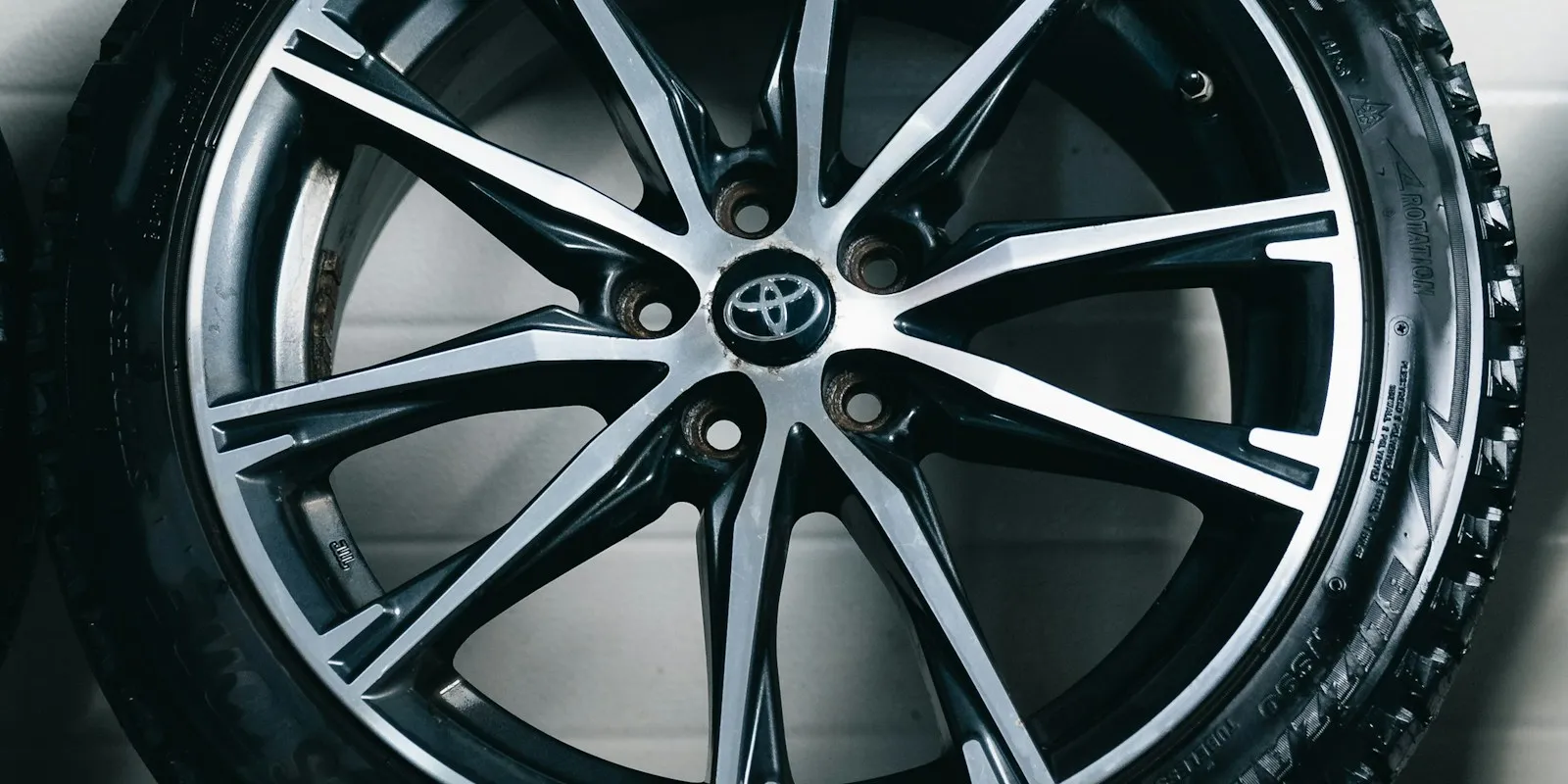
Tire and wheel protection is an optional product that pays to repair or replace tires and wheels damaged by road hazards like potholes, nails and debris. Many plans also add roadside help, and some cover cosmetic wheel damage. It’s often worth more for cars with expensive, low-profile tires and alloy wheels, and for drivers on rough roads. It’s usually worth less for cars with cheap tires. Coverage, limits and exclusions vary a lot by plan, so always read the contract.
What is tire and wheel protection?
Tire and wheel protection (often called T&W) is one of the most common products on the F&I menu. Depending on the state, it’s sold as a service contract or an insurance product, usually from a third-party provider. Capital One notes that depending on the terms, it can cover repair and replacement, plus roadside help, trip interruption and alternate transportation.
In my 17 years in the car business, more than 12 of them in F&I, T&W was the product customers thanked me for most often, usually after their first pothole.
What does tire and wheel protection cover?
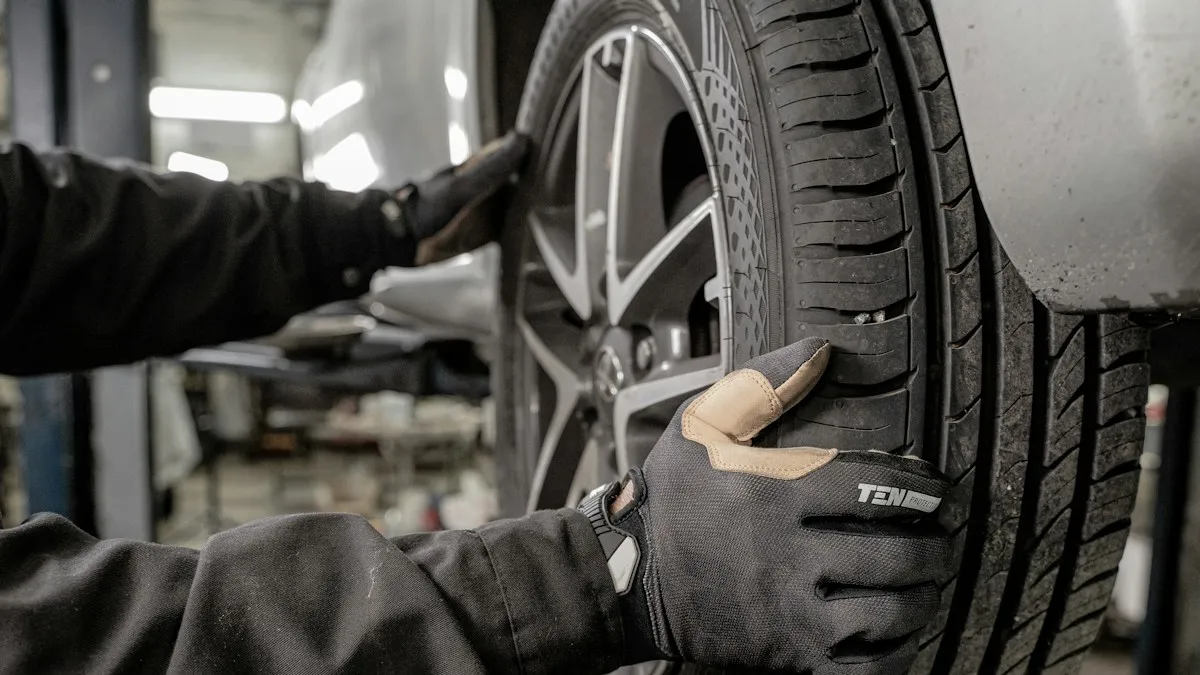
- Tire repair or replacement after road hazard damage, like nails, glass or potholes
- Wheel repair or replacement when a wheel is bent or cracked by a road hazard
- Mounting, balancing and valve stems in many plans
- Roadside help like towing or a spare-tire change, in many plans
- Cosmetic wheel repair for curb scrapes, only in plans that include it
What doesn’t it usually cover?
- Normal tire wear and tread wear-out
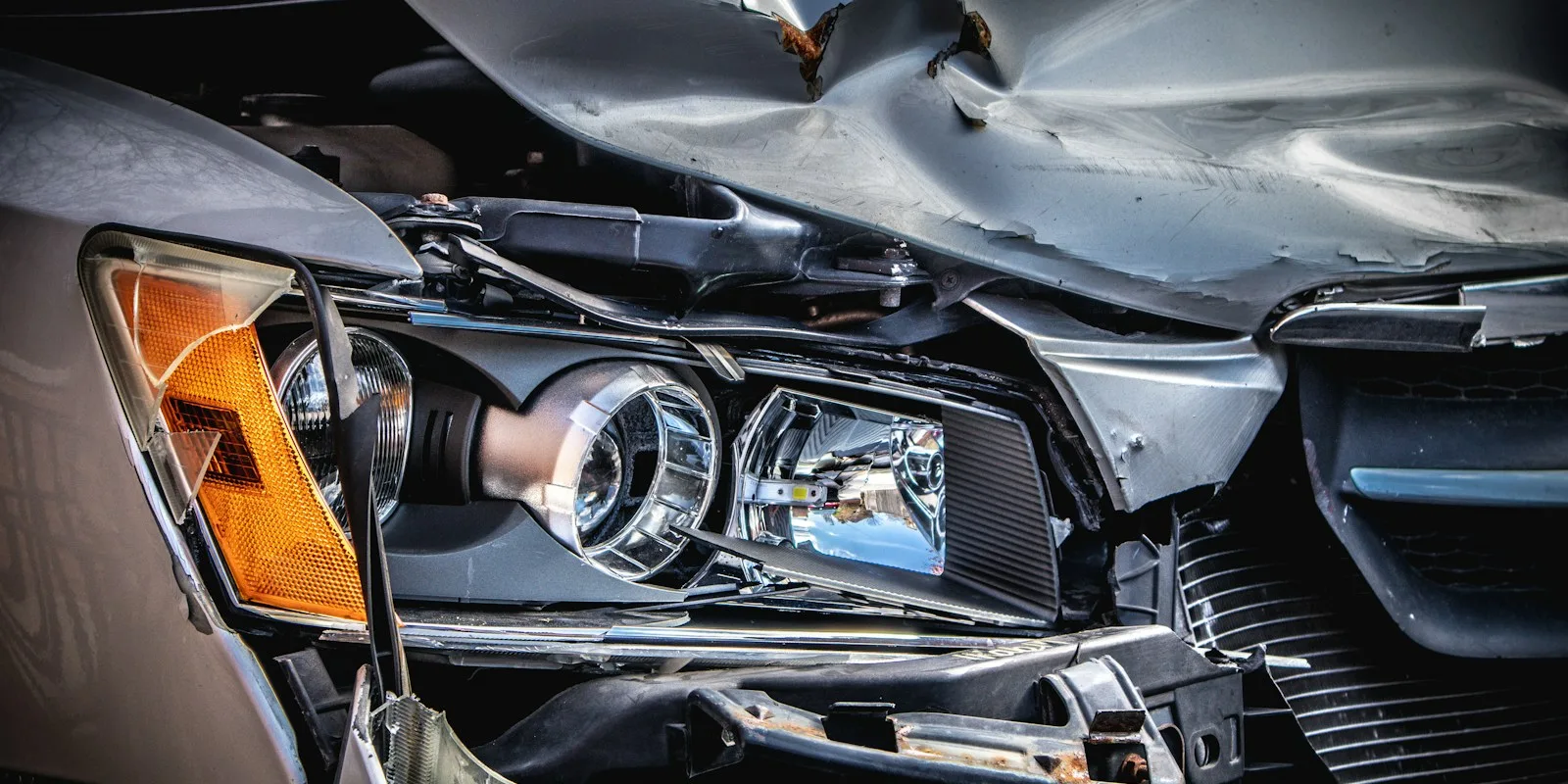
- Damage from accidents, vandalism, racing or off-roading
- Cosmetic damage, unless the plan includes it
- Aftermarket wheels or tires the plan doesn’t list
- Damage on unmaintained roads, in some plans
Exclusions are where customers get frustrated. Some consumer writers say claims can feel subjective. That’s why you must explain the limits honestly before the customer buys.
How much can tire and wheel damage cost?
Costs depend on the car. One product provider uses example costs of about $395 for a tire and $1,133 for a wheel. Luxury cars with large, low-profile tires can cost more. Economy cars with small tires often cost much less.
Who is tire and wheel protection worth it for?
- Good fit: 18-inch or larger wheels, low-profile or run-flat tires, luxury or performance cars
- Good fit: drivers on roads with potholes or construction
- Good fit: long commutes or high yearly mileage
- Weaker fit: inexpensive tires on small steel or alloy wheels
- Weaker fit: customers who already have road hazard coverage from a tire shop or credit card
The fit depends on the customer, not the commission. Ask about their driving before you present it. See the F&I menu explained.
How should an F&I manager present it?
“Your car has 20-inch wheels with low-profile tires. One wheel can cost over a thousand dollars to replace. This plan covers road hazard damage to the tires and wheels for the term shown here. It doesn’t cover normal wear or accidents. Would you like it included?”
- Show the full price, not just the monthly difference. See how dealers calculate a car payment.
- Explain the term, the claim limits and the main exclusions
- Explain cancellation and refunds in plain words
- Accept no as an answer. Every product is optional. For objections, see handling F&I objections.
Frequently asked questions
Is tire and wheel protection worth it?
It can be for cars with expensive wheels and low-profile tires, or drivers on rough roads. It’s less valuable for cars with inexpensive tires.
Does tire and wheel protection cover curb rash?
Only if the plan includes cosmetic wheel repair. Many basic plans don’t.
Can I cancel tire and wheel protection?
Most plans can be canceled for a prorated refund, minus any fee. Terms vary by provider and state.
Is tire and wheel protection the same as a warranty?
No. A tire warranty covers defects. Tire and wheel protection covers road hazard damage.