Powersports F&I: how it differs from auto, and how to get started
Motorcycles, ATVs, side-by-sides and personal watercraft run on the same F&I basics, with different lenders, products and buyers.
Camila VenegasUpdated November 20266 min read
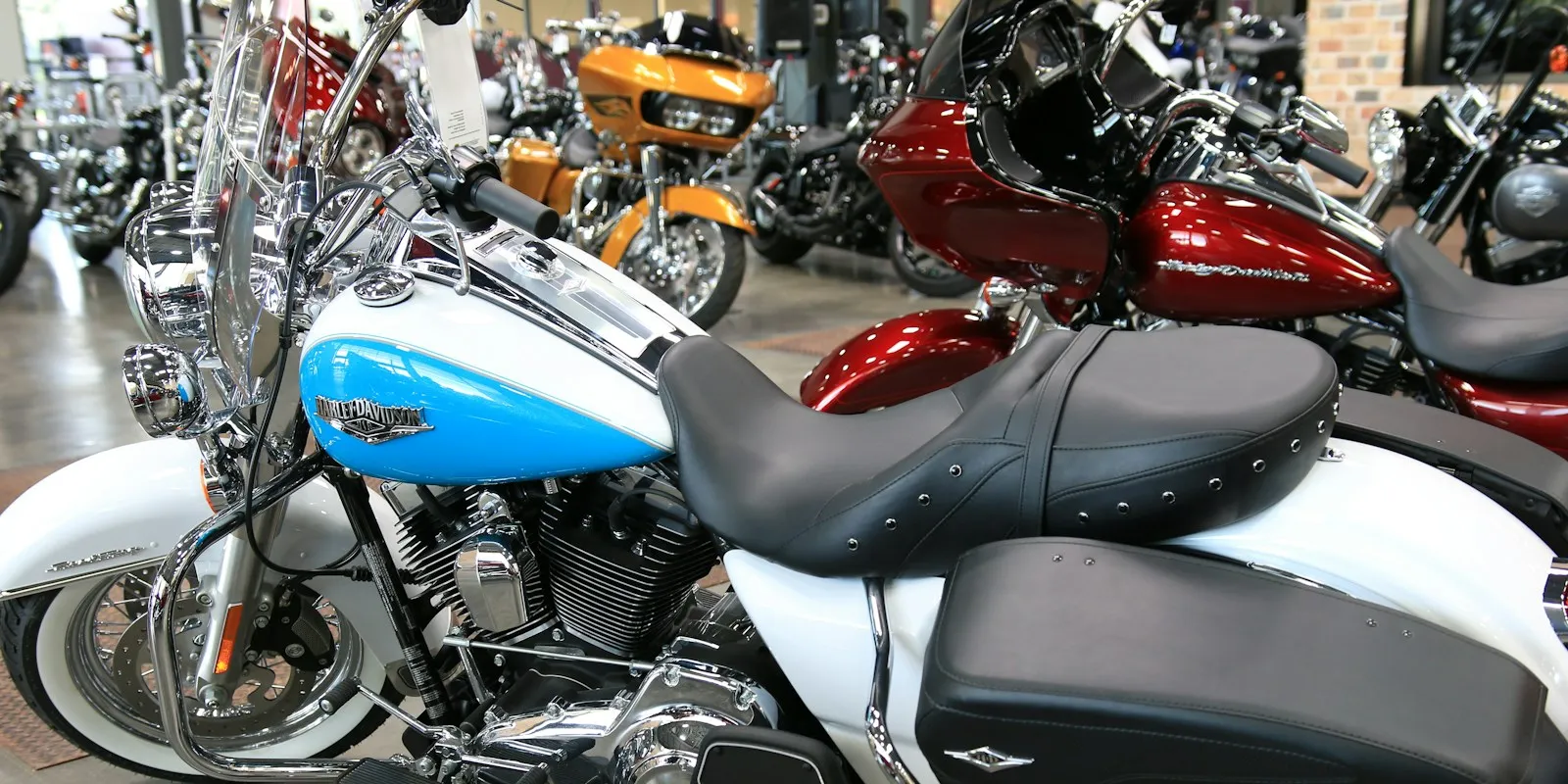
Powersports F&I is the finance and insurance work done at dealerships that sell motorcycles, ATVs, side-by-sides, snowmobiles and personal watercraft. The core job is the same as in auto: get approvals, present products and complete compliant paperwork. The differences are the lenders (more specialty and manufacturer lenders), smaller loan amounts, many first-time and seasonal buyers, and products adapted for the vehicles, like tire and wheel, GAP and theft protection. Many powersports finance managers came from auto, and some move the other way.
What is powersports F&I?
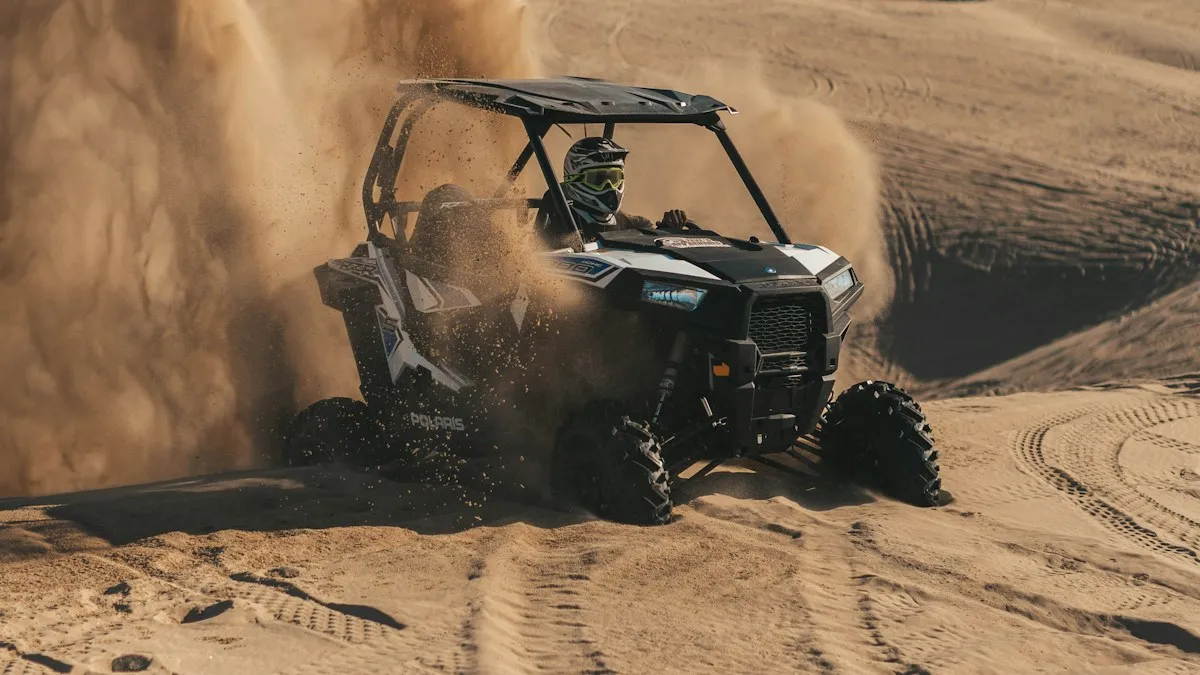
Powersports dealers sell motorcycles, ATVs, side-by-sides (UTVs), snowmobiles and personal watercraft. Many buyers finance, so the dealership needs someone to handle lenders, products and paperwork, just like a car store.
In my 17 years in the car business, more than 12 of them in F&I, I’ve watched good auto finance managers struggle in powersports at first. Not because the job is harder, but because the buyer and the lenders are different.
How is powersports F&I different from auto?
- Smaller amounts: loans are often smaller, so product prices and payments look different
- Different lenders: more manufacturer, specialty and credit-union lenders, and fewer prime banks
- Lifestyle buyers: many purchases are wants, not needs, so payment sensitivity is high
- Seasonal traffic: spring and summer rush, slower winters
- Value guides: values can be less standardized than cars, so LTV can be trickier. See LTV and advance.
- Smaller stores: some dealers have no full-time F&I manager, and salespeople handle the paperwork
What products sell in powersports F&I?
Many auto products adapt well. F&I and Showroom highlights tire and wheel, GAP and theft protection as strong fits for powersports buyers.
- Service contracts for engines and electronics
- Tire and wheel protection. See is tire and wheel protection worth it.
- GAP, where state law allows it for powersports. See what is GAP.
- Theft protection and parts marking
- Prepaid maintenance and accessory protection
What do powersports lenders look at?
The same things auto lenders do: credit, income, debt-to-income, time on the job and residence. Many powersports buyers have strong credit but are cautious about debt, and lenders that are new to powersports may decline deals an experienced lender would approve. Learn the basics in credit tiers and DTI and PTI.
“Most of our customers like to keep the payment comfortable for the riding season. Let me show you a couple of options so you can choose what fits.”
How do you get into powersports F&I?
- From auto F&I: your skills transfer. Learn the vehicles, lenders and buyer culture.
- From powersports sales: you know the products and customers. Learn credit, structure and compliance.
- Love the sport: riders who know the products build trust fast
- Ask about the schedule. Many powersports stores have more balanced hours than auto, but it varies.
Job posts commonly ask for prior F&I experience in powersports, RV, marine or auto. Start with how to become an F&I manager.
Frequently asked questions
Is powersports F&I different from auto F&I?
The core skills are the same. The lenders, loan sizes, buyers and some products are different.
Do powersports dealers have F&I managers?
Larger dealers do. Smaller dealers may have salespeople or an outside service handle financing.
What F&I products do powersports dealers sell?
Service contracts, tire and wheel, GAP where allowed, theft protection, prepaid maintenance and accessory protection.
Can an auto F&I manager work in powersports?
Yes. Many do. Expect to learn new lenders, vehicles and a more lifestyle-driven customer.